

A Smarter Start to the Year: Why Protein Matters More After 30
As the energy of a new year sets in, one science-backed health shift stands out for those looking to feel stronger, more energized, and more resilient. It is not a restrictive diet or an extreme workout plan. It is paying closer attention to protein intake.
Research shows that protein becomes increasingly important after age 30, when natural changes in muscle mass, metabolism, and hormone balance begin to occur. Understanding why protein matters and how to incorporate it realistically can support long-term health rather than short-lived resolutions.
You begin to lose muscle mass gradually starting in our 30s, a process known as sarcopenia. This loss accelerates with age if protein intake and strength-building activity are insufficient. Declining muscle mass can affect metabolism, strength, balance, and everyday energy.

Research published in medical and nutrition journals shows that adequate protein intake helps slow muscle loss and supports physical function as we age. Large population studies also link higher protein intake, especially from plant sources, with better physical mobility and overall healthy aging outcomes.
Long-term studies have found that people who consume higher amounts of protein tend to maintain better muscle strength and physical performance over time. This does not mean extreme diets or supplements. It means consistent intake spread throughout the day.
Newer nutrition research suggests that distributing protein evenly across meals is more effective than consuming most of it at dinner. Muscle protein synthesis responds better when protein is consumed in moderate amounts several times a day, especially as the body becomes less efficient at building muscle with age.
Here are some helpful ways to increase your protein intake and enhance your health.
Aim for Protein at Every Meal
A practical goal is 25 to 30 grams of protein per meal. This helps stimulate muscle repair and supports fullness and stable energy. Examples include:
Greek yogurt with nuts or seeds at breakfast
Eggs with whole-grain toast and vegetables
A lentil or chicken salad at lunch
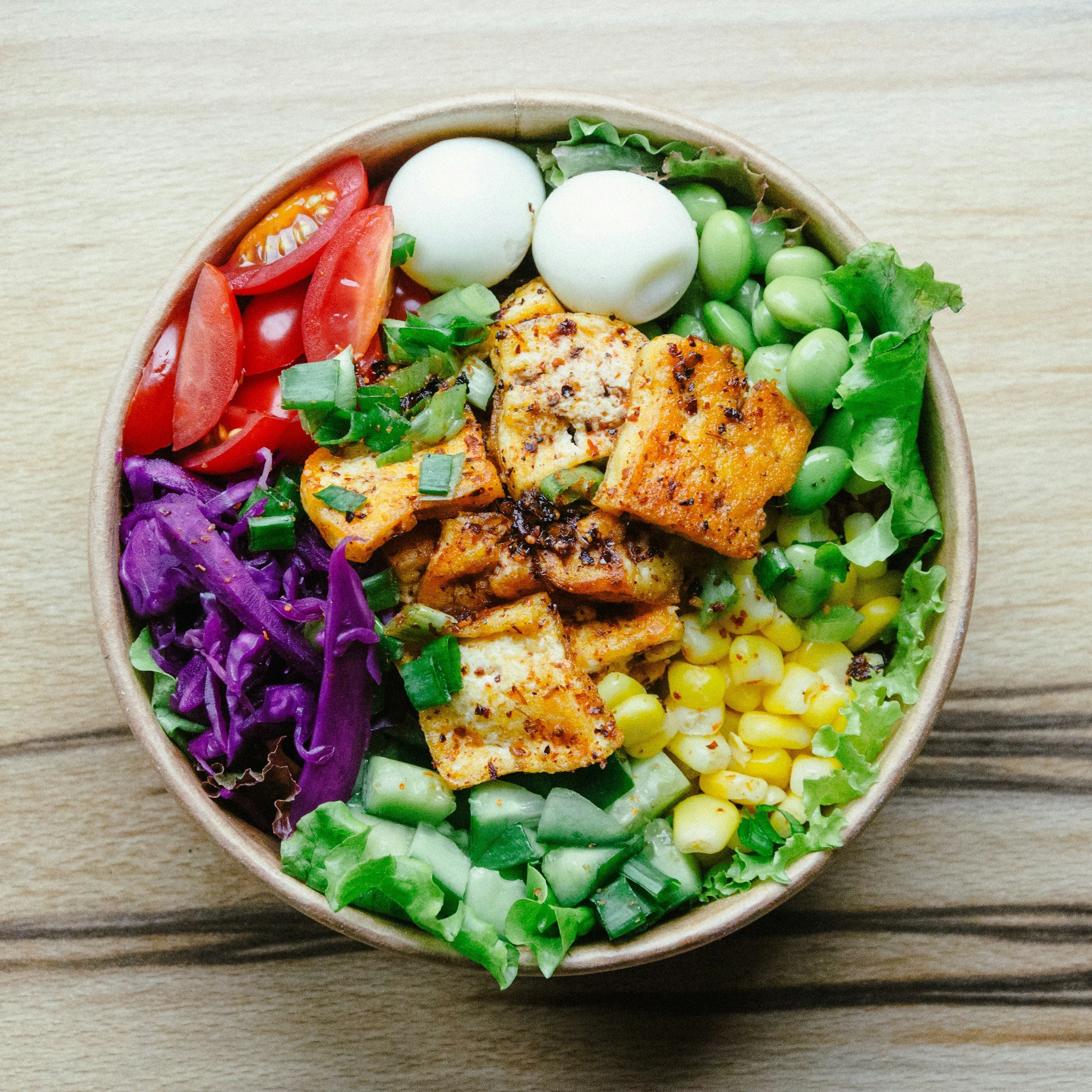
Salmon, tofu, or beans paired with grains and vegetables at dinner
Snacks can also contribute, such as cottage cheese, hummus with chickpeas, or a protein smoothie.
Understand That the RDA Is a Minimum
The Recommended Dietary Allowance for protein is set to prevent deficiency, not to optimize health or muscle preservation. Many experts suggest that people over 30 benefit from higher intake, often around 1.0 to 1.2 grams of protein per kilogram of body weight per day, especially if they are active.
For example, a person weighing about 150 pounds may benefit from roughly 68 to 82 grams of protein daily, adjusted for activity level and health needs.
Choose a Variety of Protein Sources
Research increasingly supports a mix of protein sources for overall health. Plant proteins such as beans, lentils, tofu, nuts, seeds, and whole grains are associated with better long-term health outcomes. Animal proteins like fish, eggs, dairy, and lean poultry also provide essential nutrients.
A balanced approach allows you to benefit from different amino acids, fiber, and micronutrients while supporting sustainability and digestion.
Pair Protein with Strength Training
Protein works best when muscles are challenged. Resistance training helps signal the body to use protein to build and maintain muscle. This does not require heavy weights. Body-weight exercises, resistance bands, Pilates, or light dumbbells used two to three times per week can be effective.
Support Protein With Rest and Recovery
Muscle repair happens during recovery, not during workouts. Sleep plays a critical role in how effectively the body uses protein. Prioritizing consistent sleep and stress management helps maximize the benefits of improved nutrition.
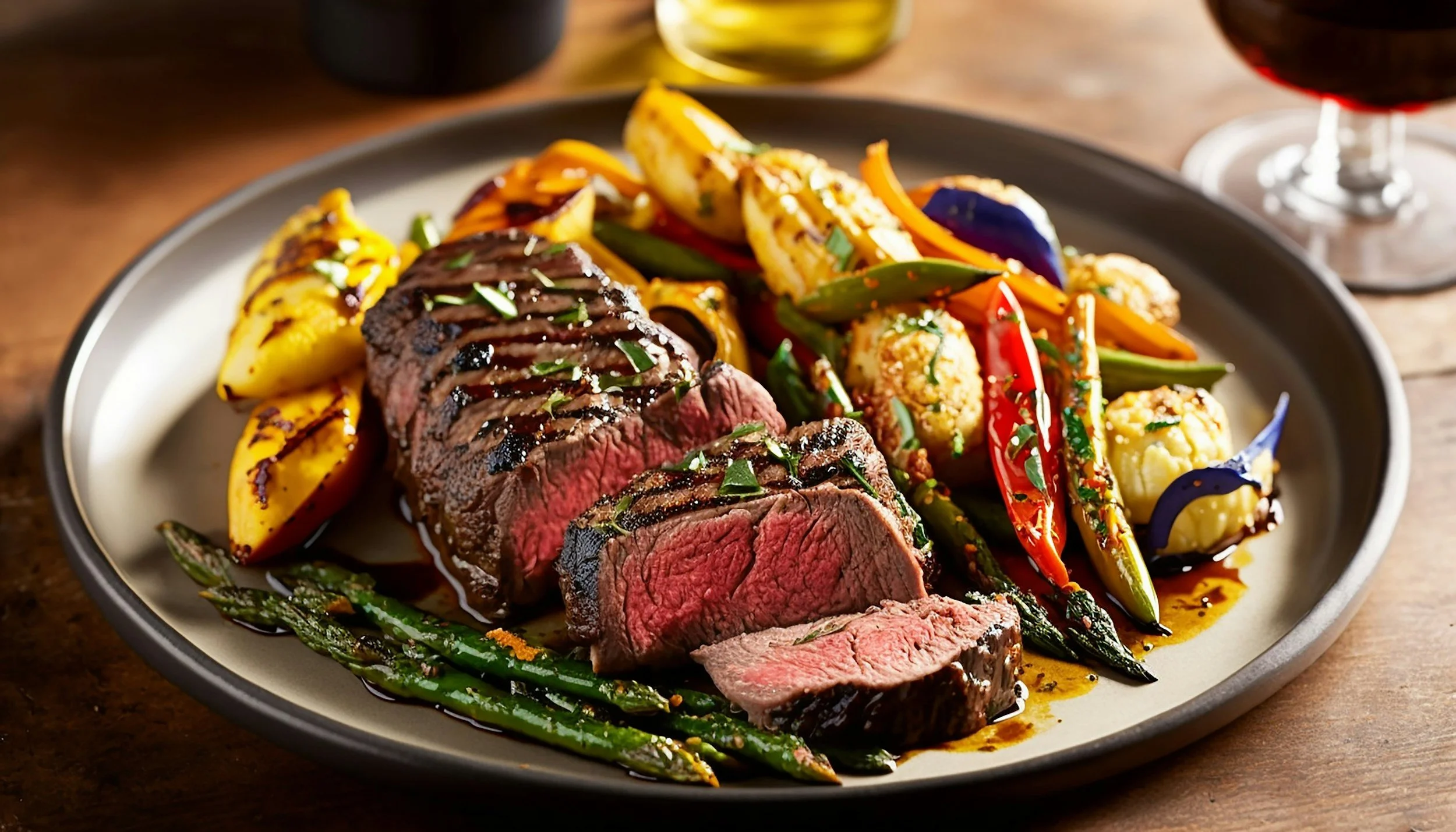
Increasing protein intake after 30 is not about dieting or perfection. It is about supporting strength, mobility, metabolism, and confidence as women move through different life stages. When combined with movement, rest, and realistic habits, protein becomes a powerful tool for building health that lasts far beyond January
***
Yvon Lux is the editor of her Apple News channel covering lifestyle news and current events. When she’s not busy writing about impactful brands and standout products, she and her husband can be found snuggling with their emotionally needy, perpetually sleepy golden retriever, or she’s chipping away at her Juris Doctor. Connect with her on Instagram and subscribe to her Apple News channel.