All tagged women's health
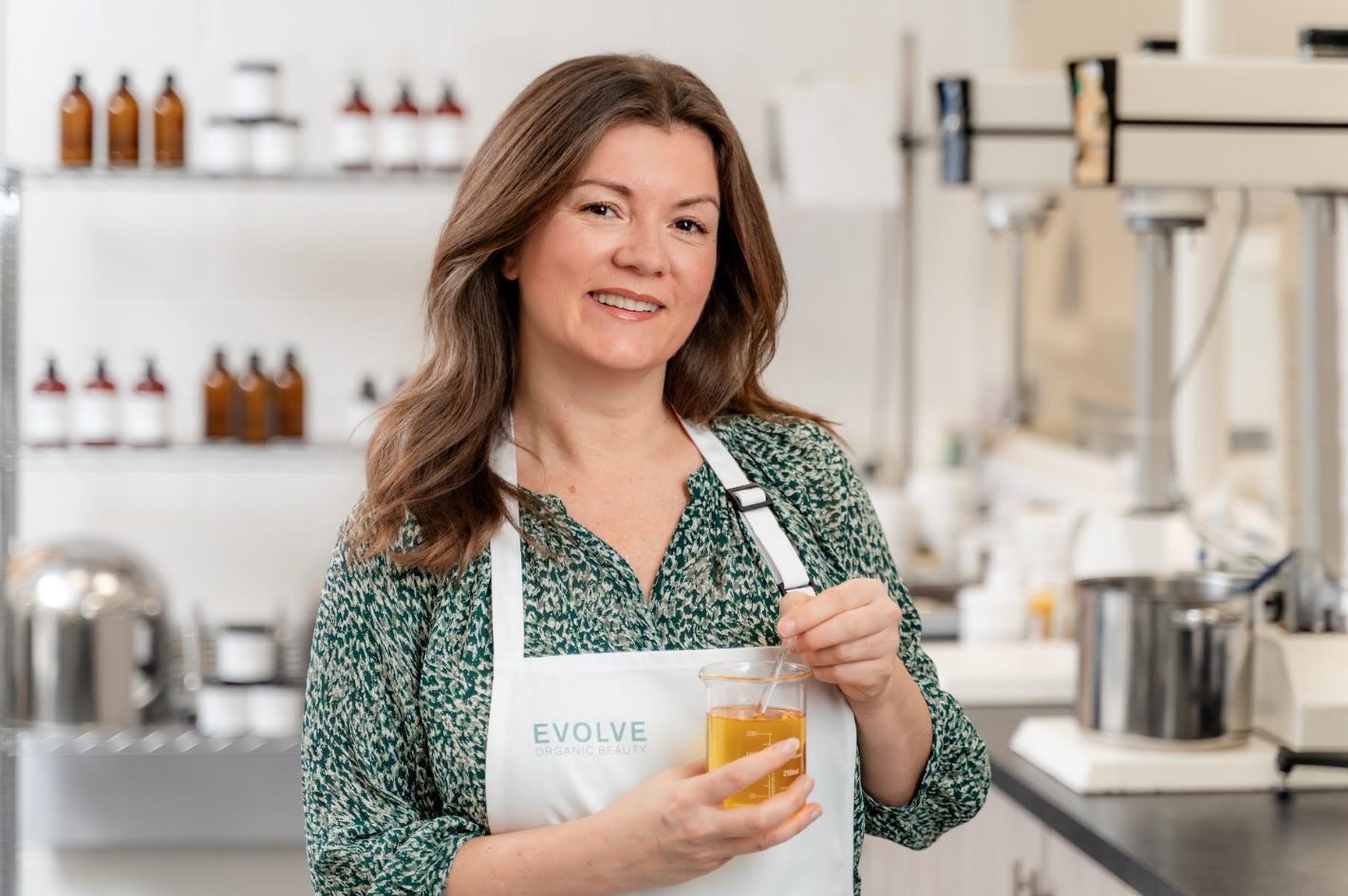
In an increasingly crowded beauty landscape, where consumers are looking beyond efficacy to consider the ingredients, values and practices behind the products they use, Laura Rudoe has spent more than 15 years building a brand around a more thoughtful approach to skincare. The founder of Evolve Organic Beauty, Rudoe launched the British beauty label in 2009 with a vision of making natural and organic beauty both accessible and effective, drawing on her own experiences with skincare and her belief that businesses should make a positive contribution to the world.
In early 2026, the U.S. Environmental Protection Agency (EPA) announced regulatory changes that shift how air and water pollution are assessed and controlled. While the agency frames these moves as boosting economic opportunity and reducing regulatory burdens, scientists, public health experts, and community advocates warn the changes could have real consequences for everyday health, especially for women and vulnerable families.
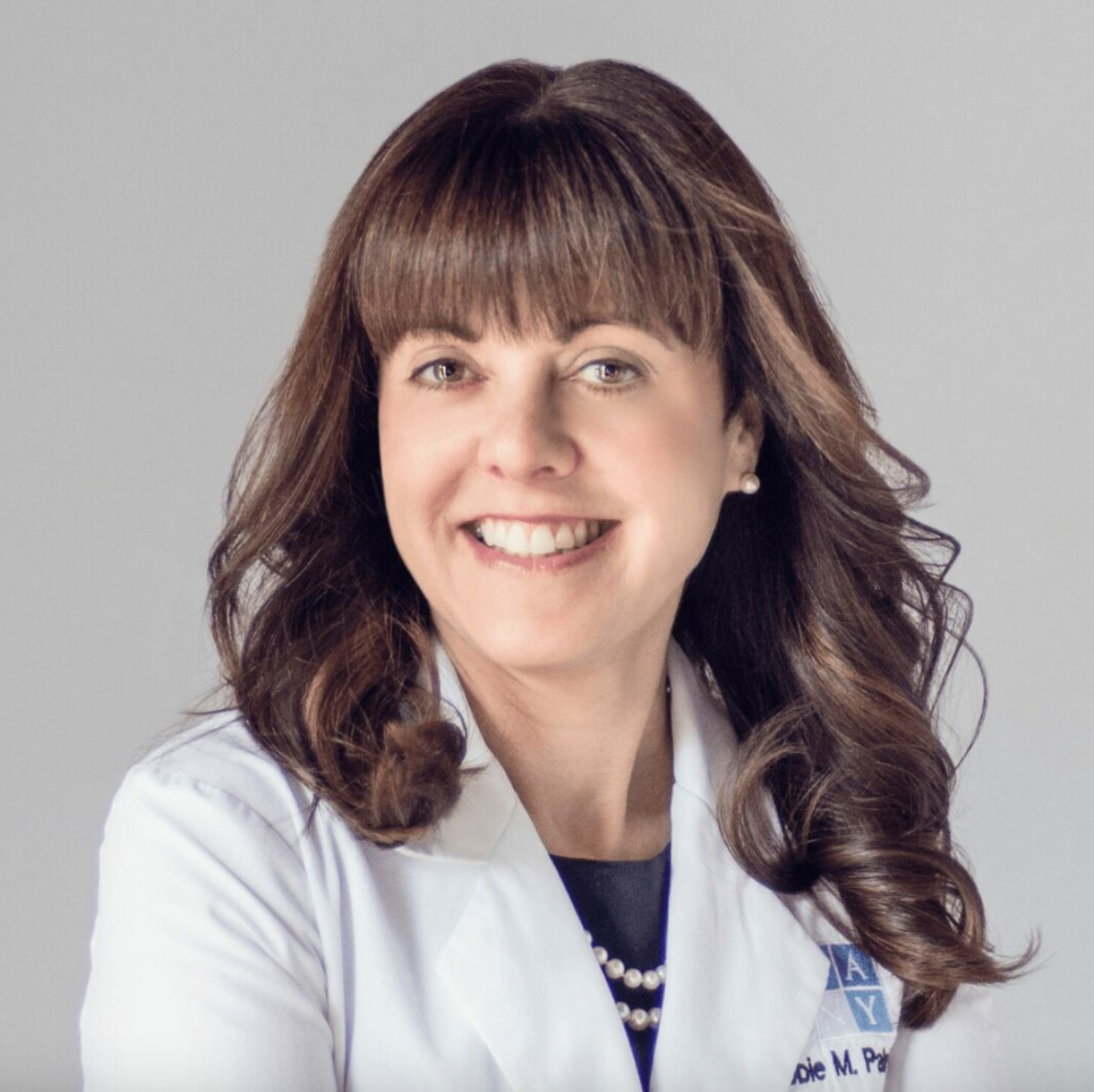
A board-certified dermatologist and leading expert in antioxidants, Dr. Palmer has spent her career exploring the connection between skincare, nutrition, and overall wellness, with her research appearing in leading medical journals and her expertise taking her to lecture stages around the world.
As the founder of Replere, Dr. Palmer has translated her medical knowledge and passion for healthy aging into a skincare philosophy rooted in antioxidants and science. Her approach goes beyond the surface, emphasizing the role that both what we put on our skin and how we nourish our bodies can play in maintaining its health and appearance.
You walk into a room and forget why you’re there. You reach for your phone to look up a familiar name instead of trying to remember it. You sit down to watch one episode and, two hours later, realize you’ve been scrolling through videos instead.
What if aging isn't simply the result of time passing? Scientists are increasingly discovering that aging is also a story written inside our cells, where thousands of genes are constantly being switched on and off. And now, researchers are exploring whether some of those cellular instructions can be changed.
A new study highlighted by the National Institutes of Health offers an intriguing glimpse into what that future might look like.
When women set New Year’s intentions for health and wellness, nutrition often tops the list. But emerging evidence suggests that chronic stress may pose an even greater threat to long-term health than diet alone. Stress affects nearly every system in the body and, when left unmanaged, can influence inflammation, metabolism, immunity, mood and disease risk. Here’s what the science shows and how women can take control in practical ways this year.
As the energy of a new year sets in, one science-backed health shift stands out for those looking to feel stronger, more energized, and more resilient. It is not a restrictive diet or an extreme workout plan. It is paying closer attention to protein intake.
Research shows that protein becomes increasingly important after age 30, when natural changes in muscle mass, metabolism, and hormone balance begin to occur. Understanding why protein matters and how to incorporate it realistically can support long-term health rather than short-lived resolutions.
Breast cancer remains the most common cancer in women in the United States, with an estimated 319,750 new cases projected this year. Globally, the numbers are even more sobering: about 700,000 new diagnoses and 490,000 deaths annually, with the highest incidence rates seen in North America, Europe, and Australia.
Forget jade rollers and collagen powders, your most reliable longevity ritual might be the humble cup of coffee. A sweeping 30-year Harvard study has found that women who sip caffeinated coffee in midlife are more likely to age with vitality, both inside and out.
Researchers followed nearly 50,000 women, aged 45 to 60, from the iconic Nurses’ Health Study beginning in 1984. Their mission? To define “healthy aging”, not just years lived, but years lived well. That meant reaching 70 with mental clarity, physical strength, and freedom from chronic disease.
The word cancer carries an understandable weight, and in the digital age, misinformation can spread even faster than facts. With so many rumors and health trends flooding your feed, it's easy to get confused or even fearful about everyday habits. Let’s set the record straight and debunk some of the most common cancer myths with evidence-backed facts.
From energy boosts and weight loss to clearer skin and better sleep, dietary supplements promise a lot—and Americans are buying in. Nearly 3 in 4 adults in the U.S. take supplements, often trusting that “natural” equals safe. But behind the labels and wellness buzzwords lies a serious health risk: liver damage.
A growing body of research is raising red flags about how certain herbal and dietary supplements—especially those with multiple ingredients—can lead to drug-induced liver injury, sometimes severe enough to require a transplant.
When it comes to weight loss, we often look for natural ways to boost our efforts. Blueberries, those small, sweet, and tangy superfruits, are gaining attention for their potential role in aiding weight loss. Let’s explore how these tiny berries can help you shed those extra pounds and improve your overall health.
In a bold move to prioritize women's health and reproductive rights,, Melinda French Gates has announced the allocation of $1 billion over the next two years. The philanthropist, who recently stepped down as co-chair of the Bill & Melinda Gates Foundation, is directing these funds to leaders and organizations committed to improving women's lives both in the United States and internationally.
A recent study has shed light on concerning disparities in the exposure to per- and polyfluoroalkyl substances (PFAS), often referred to as "forever chemicals," among various ethnic and racial groups in the United States. The research, conducted by a team of experts from Mount Sinai, utilized an innovative methodology to measure PFAS exposure, offering insights that challenge conventional perceptions of these exposure patterns.
The U.S. is behind the rest of the world when it comes to regulating toxic chemicals in beauty products: At least 80 other countries have enacted more stringent regulations on chemicals in cosmetics than the US. For example, the European Union has banned or restricted more than 2,400 chemicals in cosmetics, while the US has banned or restricted just 9 chemicals. As a result, harmful chemicals that are banned in cosmetics elsewhere regularly show up on ingredient lists for products sold here, including substances that can raise our cancer risk.
In a concerning revelation, the drinking water sources of millions of Americans have been found to be tainted with persistent and harmful chemicals. Scientists estimate that over 200 million Americans, more than 60% of the country’s population, are drinking water contaminated with PFAS. Giants in the chemical industry, including 3M, DuPont, Chemours, and Corteva, have found themselves agreeing to settlements reaching into the billions due to their role in contaminating drinking water with these concerning 'forever chemicals'.