

Is Your Phone Making You Forgetful? “Digital Dementia” On The Rise
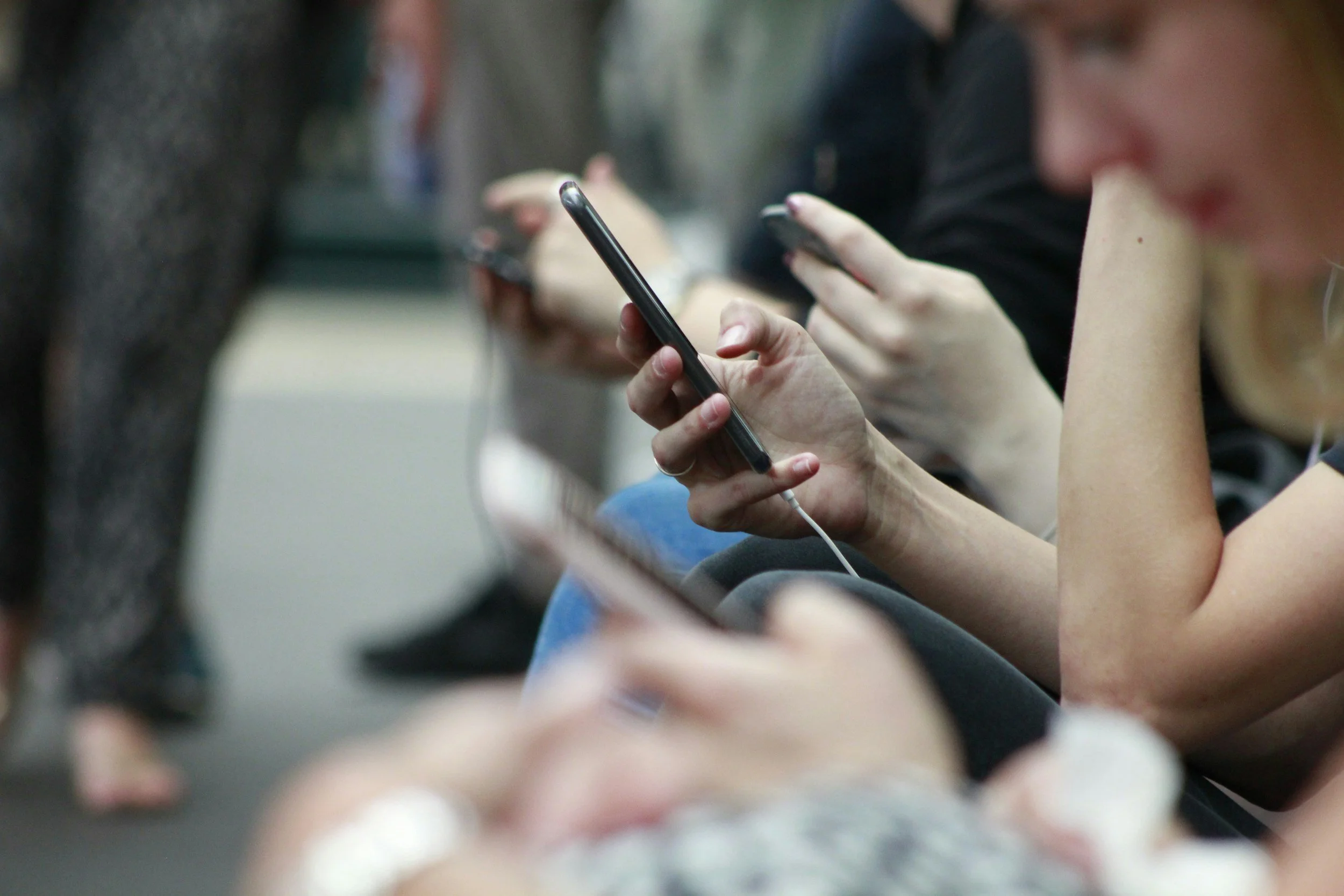
You walk into a room and forget why you’re there. You reach for your phone to look up a familiar name instead of trying to remember it. You sit down to watch one episode and, two hours later, realize you’ve been scrolling through videos instead.
It’s easy to blame those increasingly common moments on our phones. In recent years, the term “digital dementia” has gained attention as a way to describe concerns about the potential cognitive effects of excessive technology use. But the reality is considerably more nuanced.
First, “digital dementia” is not a recognized medical diagnosis. Instead, the phrase is used to describe concerns that heavy reliance on digital devices may contribute to difficulties with attention, memory and concentration. Researchers are still studying exactly how technology use affects the brain, and the evidence does not support the idea that simply using a smartphone or computer is causing dementia.

It May Be More About How We Use Technology
The bigger issue may not be screen time itself, but what that screen time replaces.
Constant notifications, multitasking and rapidly switching between apps can fragment our attention. A systematic review and meta-analysis found that people with disordered screen-use behaviors showed measurable difficulties in attention and executive functioning.
There is also the phenomenon of cognitive offloading, or using technology to handle tasks our brains would otherwise perform. Your phone remembers appointments, directions, birthdays and phone numbers. Search engines can supply an answer before you've had a chance to retrieve it yourself.
That convenience isn't necessarily bad. In fact, technology can make life easier, keep us connected and provide opportunities for learning and mental stimulation.
And that distinction matters.
Not All Screen Time Is Created Equal
A recent review of research involving adults 40 and older found that active technology use was generally associated with better outcomes in areas such as memory, executive function and attention. Passive screen use, on the other hand, was associated with some poorer cognitive outcomes.
In other words, there is a meaningful difference between spending an hour video-chatting with a friend, taking an online class or learning a new skill and spending an hour mindlessly scrolling.
Even more encouraging, a 2025 meta-analysis published in Nature Human Behaviour found that digital technology use among adults over 50 was associated with a reduced risk of cognitive impairment and slower rates of cognitive decline. The researchers emphasize that more work is needed to determine cause and effect, but the findings challenge the idea that technology is inherently harmful to an aging brain.
Give Your Brain Something to Do
Rather than declaring a digital detox, consider a digital reset.
Let yourself occasionally look up a fact, but try recalling it first. Take a walk without automatically reaching for a podcast. Turn off unnecessary notifications. Put your phone away during meals. Read a book without simultaneously checking messages. And make room for activities that require sustained attention, physical movement and real-world social interaction.
The goal isn't to abandon technology. It is to make sure technology doesn't become the only thing occupying your attention.
Think of it as another form of balance. Your phone can be a tool for connection, entertainment and learning, but your brain still benefits from having opportunities to wander, concentrate, remember, solve problems and engage with the world beyond the screen.
So the next time you forget why you walked into a room, don't panic. It probably isn't “digital dementia.”
But it might be a good reminder to put your phone down for a few minutes and see what your brain comes up with on its own.
***
Yvon Lux is the editor of her Apple News channel covering lifestyle news and current events. When she’s not busy writing about impactful brands and standout products, she and her husband can be found snuggling with their emotionally needy, perpetually sleepy golden retriever, or she’s chipping away at her Juris Doctor. Connect with her on Instagram and subscribe to her Apple News channel.