

The Future of Breast Cancer Surgery: Exploring the Promise of Robotic Mastectomy
For women facing a breast cancer diagnosis, the prospect of a mastectomy can bring a complex set of considerations. Beyond the immediate priority of treating the disease, decisions surrounding reconstruction, scarring, sensation, and recovery can become an important part of the conversation.
Advances in surgical technology are beginning to reshape that experience. A new robotic approach to nipple-sparing mastectomy is exploring the possibilities of smaller incisions, immediate reconstruction, and sensory preservation, offering a new perspective on the patient experience.
At MedStar Georgetown University Hospital in Washington, D.C., surgeons are introducing a robotic approach that allows breast tissue removal and reconstruction through a single, discreet incision beneath the breast. The technique, performed using the da Vinci SP (Single Port) robotic surgical system, is designed to offer an alternative to conventional mastectomy approaches, with the potential for less visible scarring and a more streamlined recovery.
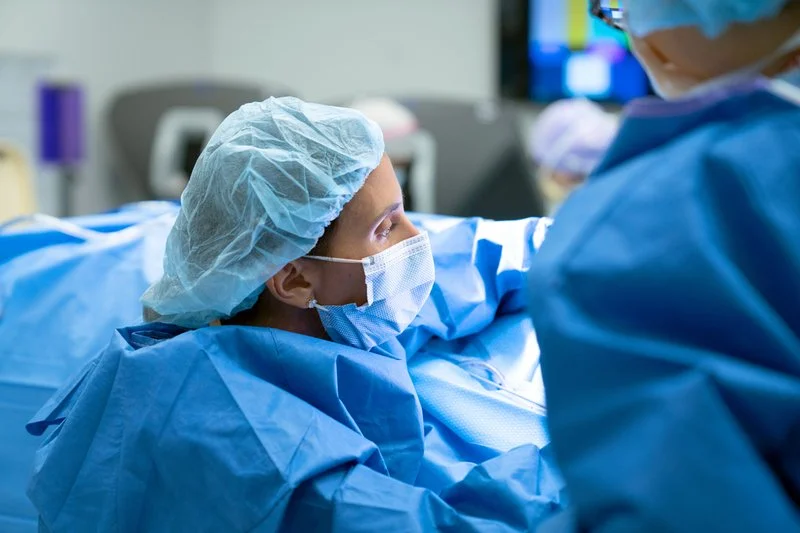
Photo credit: Medstar Health
In October 2026, MedStar Georgetown announced that it had performed the procedure on a 50-year-old woman diagnosed with early-stage breast cancer. The operation was led by Lucy De La Cruz, MD, chief of the Breast Surgery program in collaboration with plastic surgeon Kenneth Fan, MD.
The procedure involved a bilateral nipple-sparing mastectomy, meaning breast tissue was removed from both breasts while the nipples were preserved. Through a single incision measuring approximately four centimeters, the surgical team also performed a sentinel lymph node biopsy to assess whether cancer had spread, placed breast implants during the same operation, and incorporated a nerve-sparing approach intended to help preserve sensation.
The incision was positioned within the natural fold beneath the breast, allowing it to remain less visible than incisions made along the chest or near the armpit. While robotic-assisted breast surgery is not entirely new, the single-port approach represents a developing application of the technology. The system allows surgeons to operate through a single access point using specialized instruments and a camera that provides magnified visualization of the surgical area.
According to MedStar Health, the technique may help reduce surgical trauma, postoperative pain, and the visibility of scarring. However, outcomes vary between patients, and the potential benefits of robotic surgery must be considered alongside the individual medical circumstances of each case.
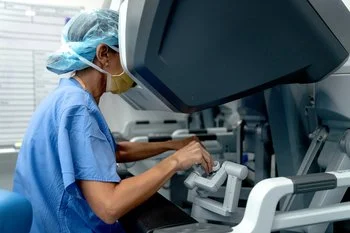
Photo credit: Medstar Health
For many women, the physical consequences of mastectomy extend beyond the appearance of surgical scars. Changes in breast sensation can also have a lasting impact on daily life and personal well-being.
Traditional mastectomy procedures can involve disruption to the nerves responsible for sensation in the breast and nipple. Although nipple-sparing surgery preserves the external appearance of the nipple, it does not necessarily preserve its sensation.
The robotic approach incorporates a nerve-sparing technique intended to support sensory preservation. While the approach offers a potential avenue for improving postoperative sensation, it is not a guarantee of retaining normal feeling.
De La Cruz has also emphasized the importance of addressing sensation as part of the broader surgical experience. The hospital reports that its team has been performing sensory restoration procedures for women following mastectomy.
The development reflects a growing recognition that breast cancer surgery involves considerations beyond cancer removal alone. For some patients, reconstruction, sensation, and the physical experience of recovery are equally important elements of the treatment journey.
For Ami Brasure, the decision to undergo surgery followed a breast cancer diagnosis after a routine mammogram. She underwent a bilateral mastectomy using the robotic technique at MedStar Georgetown. Speaking to NBC Washington, she described her experience as more manageable than she had anticipated.
By the fourth day following surgery, she reported using very little pain medication, relying primarily on acetaminophen, commonly known as Tylenol.
Brasure’s experience offers an individual perspective on the potential benefits of the approach, although recovery varies considerably between patients and should not be interpreted as a typical or guaranteed outcome. Her account highlights the importance of individualized care and the role that patient experience can play in conversations about breast cancer treatment.
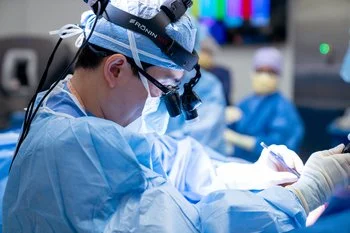
Photo credit: Medstar Health
Despite the promise of robotic-assisted mastectomy, the procedure is not suitable for every patient.
MedStar Georgetown identifies women with small to moderate-sized breasts, a healthy body weight, and appropriately positioned nipples as potential candidates. The technique is not recommended for patients with larger or significantly sagging breasts or those with inflammatory breast cancer.
Eligibility depends on several factors, including the location and extent of the tumor, breast anatomy, and the patient's overall treatment plan.
The hospital reports that it is among a limited number of institutions in the United States offering nipple-sparing mastectomy using the da Vinci Single-Port system. It is currently the only hospital in the Washington, D.C., region offering the procedure.
As robotic technology continues to develop, its role in breast cancer surgery will depend on further clinical experience, patient selection, and evidence regarding long-term outcomes.
For women navigating a mastectomy, the emergence of these techniques introduces another consideration in an already deeply personal decision. The opportunity to explore different surgical approaches, understand their potential benefits and limitations, and work closely with a multidisciplinary medical team remains central to informed treatment planning.
Ultimately, the most appropriate approach is one that prioritizes cancer treatment while taking into account each patient's individual anatomy, medical needs, and personal preferences.
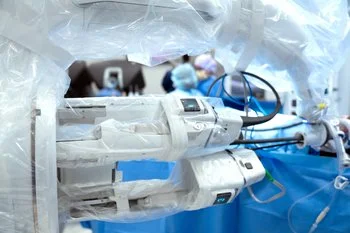
Photo credit: Medstar Health
Editorial note: Robotic-assisted mastectomy is a specialized surgical procedure. Potential candidates should discuss the risks, benefits, alternatives, and expected outcomes with a qualified breast cancer surgical team.
***
Yvon Lux is the editor of her Apple News channel covering lifestyle news and current events. When she’s not busy writing about impactful brands and standout products, she and her husband can be found snuggling with their emotionally needy, perpetually sleepy golden retriever, or she’s chipping away at her Juris Doctor. Connect with her on Instagram and subscribe to her Apple News channel.