Luxury's New Era: Why Some Brands Are Thriving While Others Struggle
For years, luxury seemed to operate by its own rules. Prices could rise, handbags could become increasingly difficult to justify and economic uncertainty could spread across the globe, yet consumers continued to spend on the world's most coveted fashion houses.
That dynamic is changing.
The luxury market is entering a more selective era, and some of the industry's biggest names are feeling the effects. LVMH, the world's largest luxury conglomerate and owner of Louis Vuitton, Dior, Tiffany & Co. and dozens of other maisons, reported revenue of approximately $44.3 billion in the first half of 2026, down 3 percent from the same period a year earlier on a reported basis. Its Fashion & Leather Goods division, home to some of its most important fashion brands, generated approximately $20.8 billion, down 5 percent reported and 1 percent organically.
Yet the numbers tell a more complicated story than a simple luxury downturn.
LVMH's second quarter actually showed signs of improvement, with group organic revenue increasing 3 percent and Fashion & Leather Goods returning to 1 percent organic growth. Jewelry was considerably stronger, with the Watches & Jewelry division posting 9 percent organic growth in the first half and 11 percent in the second quarter.
The luxury consumer, in other words, has not disappeared. Instead, spending appears to be concentrating around brands and products that offer a particularly compelling combination of desirability, craftsmanship, scarcity and heritage.
Three names illustrate that shift particularly well: Hermès, Brunello Cucinelli and Richemont's jewelry maisons.
Hermès Is Showing the Power of Scarcity
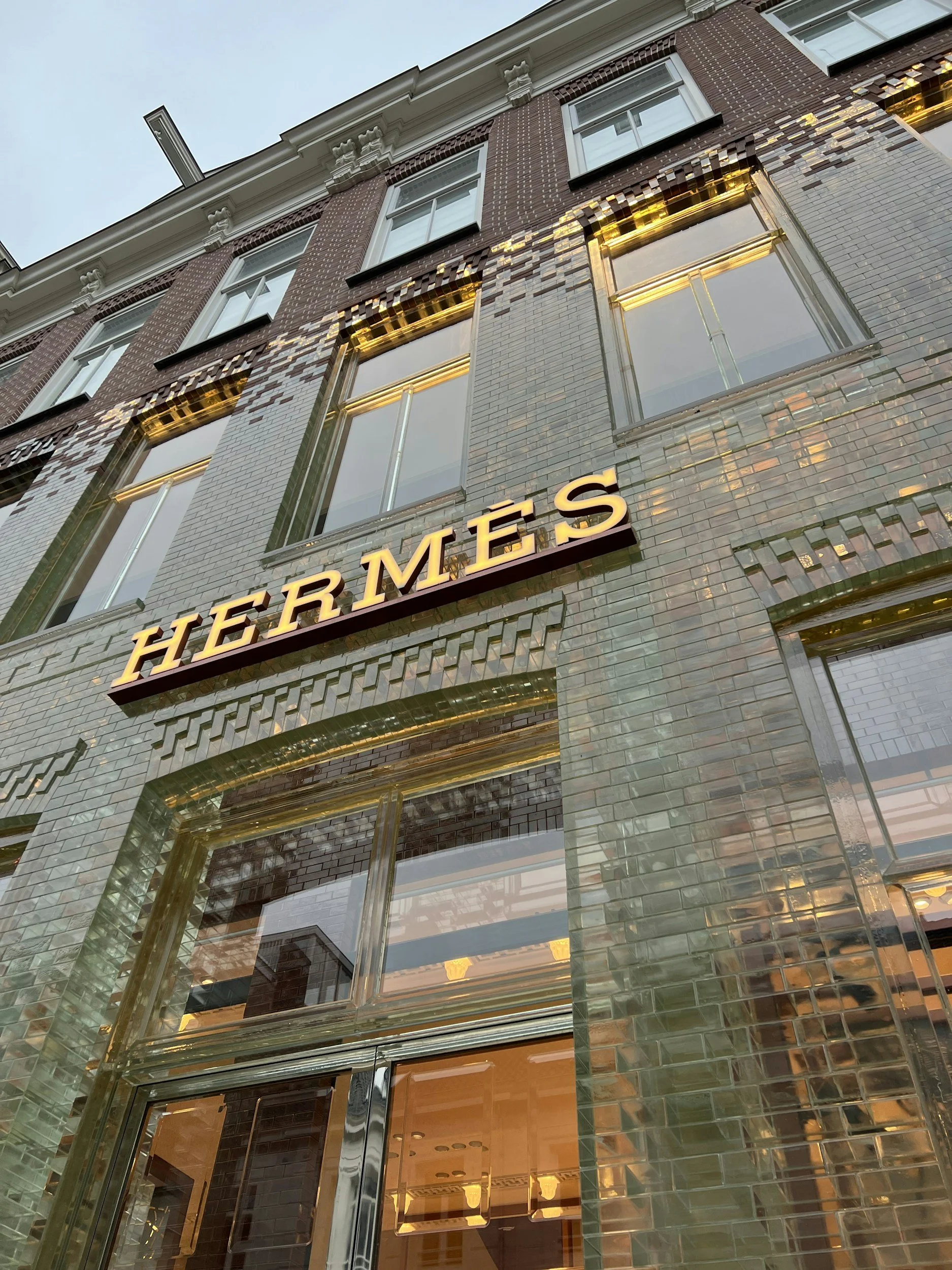
If there is one luxury house that continues to demonstrate the strength of extreme exclusivity, it is Hermès. The French maison generated approximately $9.4 billion in revenue during the first half of 2026, representing growth of 6.1 percent at constant exchange rates and 1.6 percent at current exchange rates. Recurring operating profitability reached an extraordinary 41 percent of revenue.
The contrast with the broader fashion market is striking. Hermès has built its business around scarcity rather than ubiquity. Its most coveted handbags cannot simply be ordered online and delivered the next day, and the brand's appeal has historically depended on craftsmanship, controlled production and a sense that ownership represents access to something that cannot easily be replicated.
That positioning becomes particularly valuable when consumers begin questioning luxury prices.
A $10,000 purchase needs to feel different from a $1,000 purchase. For Hermès, the distinction is built into the product itself: materials, construction, craftsmanship, limited availability and decades of brand heritage. The company's results suggest that this model continues to resonate. Its first-half revenue growth at constant exchange rates reached 6.1 percent, while the company maintained a 41 percent recurring operating margin.
It is also worth noting where that growth is occurring. Hermès has continued investing in stores around the world, including a new location at Chicago's historic Plaza del Lago and an expanded store in Chengdu, China, announced in September. Hermès is not trying to be everywhere. Its business is built around making consumers want something they cannot necessarily have immediately.
Brunello Cucinelli and the Appeal of "Gentle Luxury"
Then there is Brunello Cucinelli, whose success represents a very different interpretation of exclusivity.
The Italian brand generated approximately $860 million in revenue during the first half of 2026, an increase of 9.5 percent at current exchange rates and 13.3 percent at constant exchange rates. EBIT rose 12.6 percent, while the company's EBIT margin increased to 17.1 percent.
Perhaps more significant, Brunello Cucinelli raised its full-year 2026 revenue-growth expectation from approximately 10 percent to 10 to 11 percent at constant exchange rates. The brand's retail business was particularly strong, increasing 19.3 percent at constant exchange rates during the first half. The Americas were a standout market, with revenue increasing 20.6 percent at constant exchange rates.
Brunello Cucinelli's proposition is almost the antithesis of the traditional logo-driven luxury model. The clothes are expensive, but the branding is deliberately restrained. Cashmere, tailoring, natural materials and artisanal production take precedence over conspicuous logos. The company itself describes its philosophy as a form of "gentle luxury," centered on quality, craftsmanship and exclusivity.
That distinction matters in the current market.
"Quiet luxury" became one of fashion's biggest trends over the past several years, but Brunello Cucinelli was never simply participating in a trend. Its aesthetic and business philosophy existed long before quiet luxury became a social-media catchphrase. Its latest numbers suggest that consumers at the highest end of the market are still willing to spend substantially when the product feels distinctive, beautifully made and difficult to substitute.
Richemont Shows That Jewelry May Be the New Luxury Powerhouse
If fashion is experiencing a period of recalibration, jewelry is telling another story.
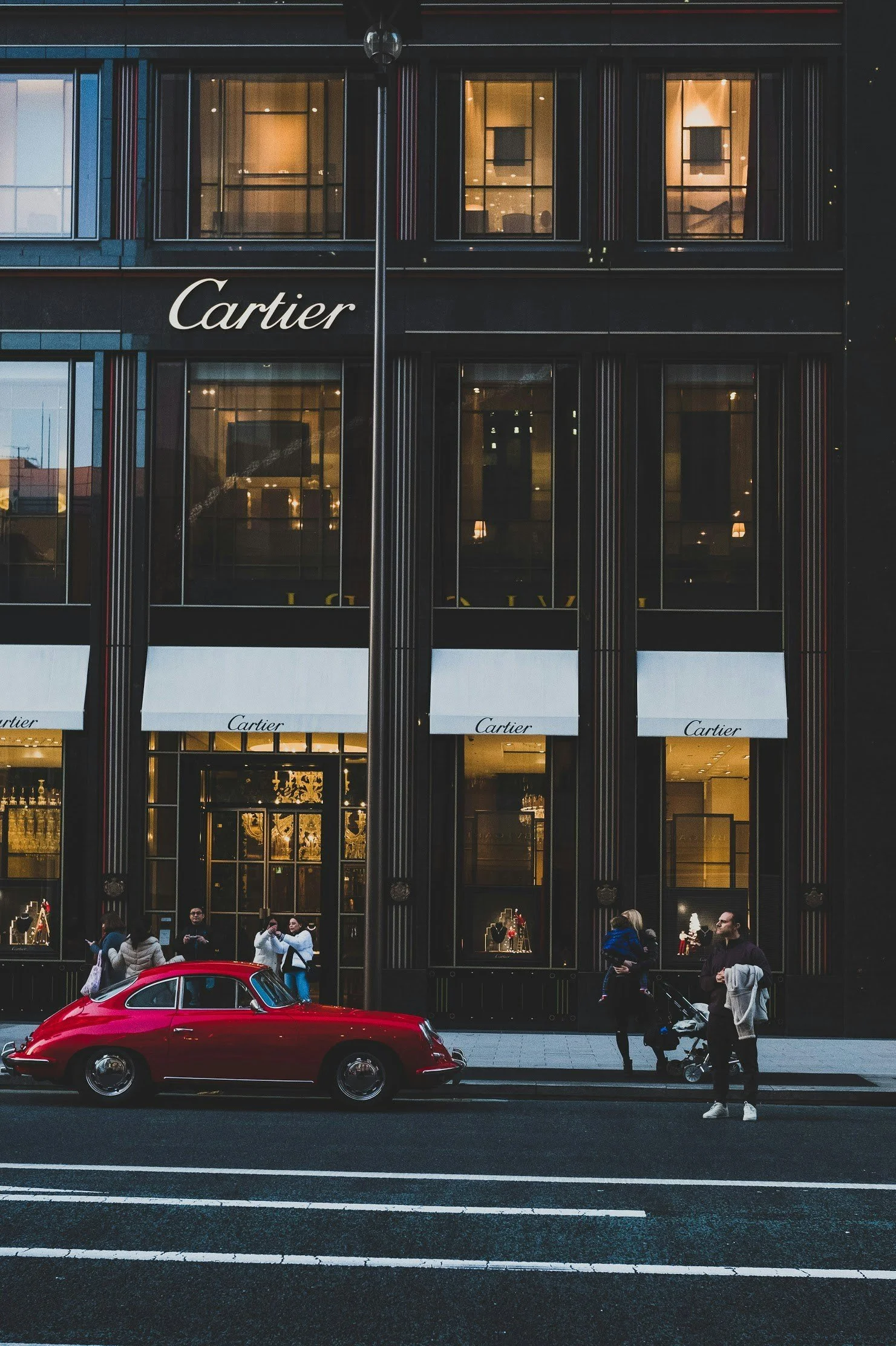
Richemont, the Swiss luxury group behind Cartier, Van Cleef & Arpels, Buccellati and Vhernier, reported approximately $7.3 billion in sales for the quarter ended June 30, 2026, up 20 percent at constant exchange rates and 17 percent at actual exchange rates. Its jewelry maisons were the standout.
Combined sales for Cartier, Van Cleef & Arpels, Buccellati and Vhernier increased 24 percent at constant exchange rates during the quarter. That marked the group's seventh consecutive quarter of double-digit growth for its jewelry maisons. The performance was geographically broad.
Richemont reported 27 percent constant-currency growth in the Americas, 21 percent in Asia Pacific, 36 percent in Japan and 11 percent in Europe during the quarter. Retail sales increased 24 percent at constant exchange rates and represented 71 percent of group sales.
The annual numbers tell a similar story. For the fiscal year ended March 31, 2026, Richemont's jewelry maisons generated approximately $18.9 billion in combined sales, up 14 percent at constant exchange rates. Operating profit for the group of jewelry maisons reached approximately $5.7 billion, representing a 30.5 percent operating margin.
Jewelry has a particular advantage in an uncertain luxury market: it can be purchased as both an emotional object and a long-term possession. A dress belongs to a season. A necklace can become part of a personal collection. That distinction may be helping jewelry outperform portions of fashion.
The Luxury Customer Hasn't Left. They're Editing.
Taken together, Hermès, Brunello Cucinelli and Richemont reveal something important about the current luxury market. The problem may not be that affluent consumers have stopped spending. Rather, they may be becoming considerably more discerning about where they spend.
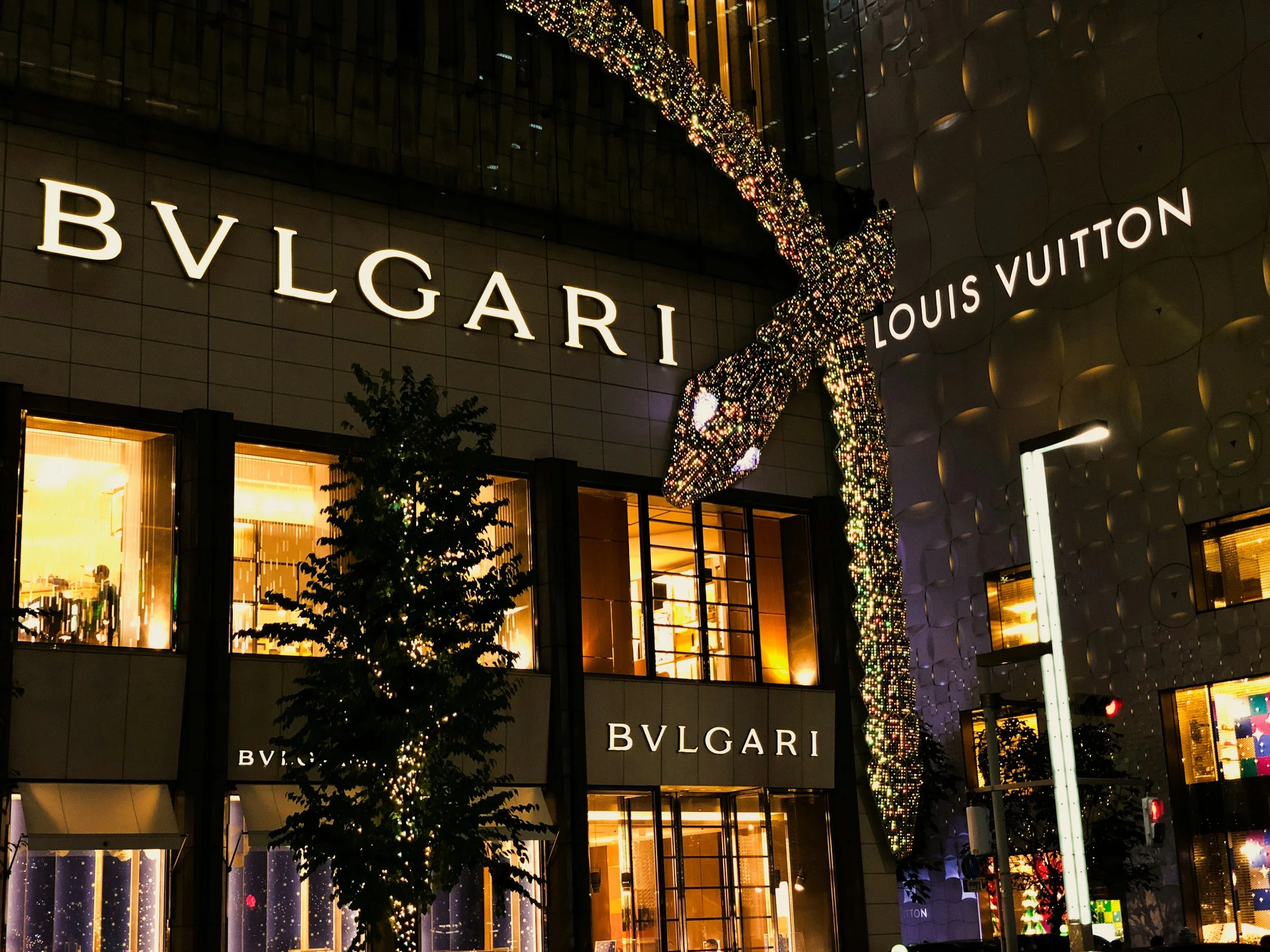
LVMH's first-half results demonstrate this polarization within the company itself. Fashion & Leather Goods remained under pressure, while Watches & Jewelry posted 9 percent organic growth. Tiffany & Co. and Bulgari were specifically cited among the group's strongest performers.
The distinction is increasingly difficult to ignore.
Consumers have spent years watching luxury prices climb. At the same time, social media has made designer products more visible and accessible than ever before. The result is a paradox: luxury has become more expensive while some of its traditional markers of exclusivity have become more ubiquitous.
A recognizable handbag may still carry enormous cultural value. But when consumers can see the same bag everywhere, the emotional calculus behind spending thousands of dollars on it can change.
Hermès offers scarcity.
Brunello Cucinelli offers craftsmanship and discretion.
Cartier and Van Cleef & Arpels offer heritage, jewelry craftsmanship and products that can transcend fashion cycles.
These are different strategies, but they share a common denominator: the product itself remains central to the value proposition.
Luxury's Next Era May Be About Meaning, Not Just Status
The luxury industry is unlikely to return to the extraordinary post-pandemic growth environment that allowed many brands to raise prices aggressively while expanding their customer bases. But that does not necessarily mean luxury is losing its appeal. It may mean the industry is entering a more mature phase.
The customer who once stretched to buy a luxury handbag may now think twice. The customer who has the means to spend $20,000 or $50,000 may still do so, but may be more interested in craftsmanship, rarity, provenance and longevity than in simply displaying a recognizable logo.
That could explain why brands such as Hermès and Brunello Cucinelli are proving so resilient, while Richemont's jewelry houses are experiencing powerful demand.
The lesson is not that one luxury model has replaced another. It is that luxury itself is being redefined.
The next generation of luxury consumers may not necessarily want more. They may want better. And in a market where consumers are increasingly asking whether something is truly worth its price, the brands that can convincingly answer that question could have the most to gain.
***
Yvon Lux is the editor of her Apple News channel covering lifestyle news and current events. When she’s not busy writing about impactful brands and standout products, she and her husband can be found snuggling with their emotionally needy, perpetually sleepy golden retriever, or she’s chipping away at her Juris Doctor. Connect with her on Instagram and subscribe to her Apple News channel.