
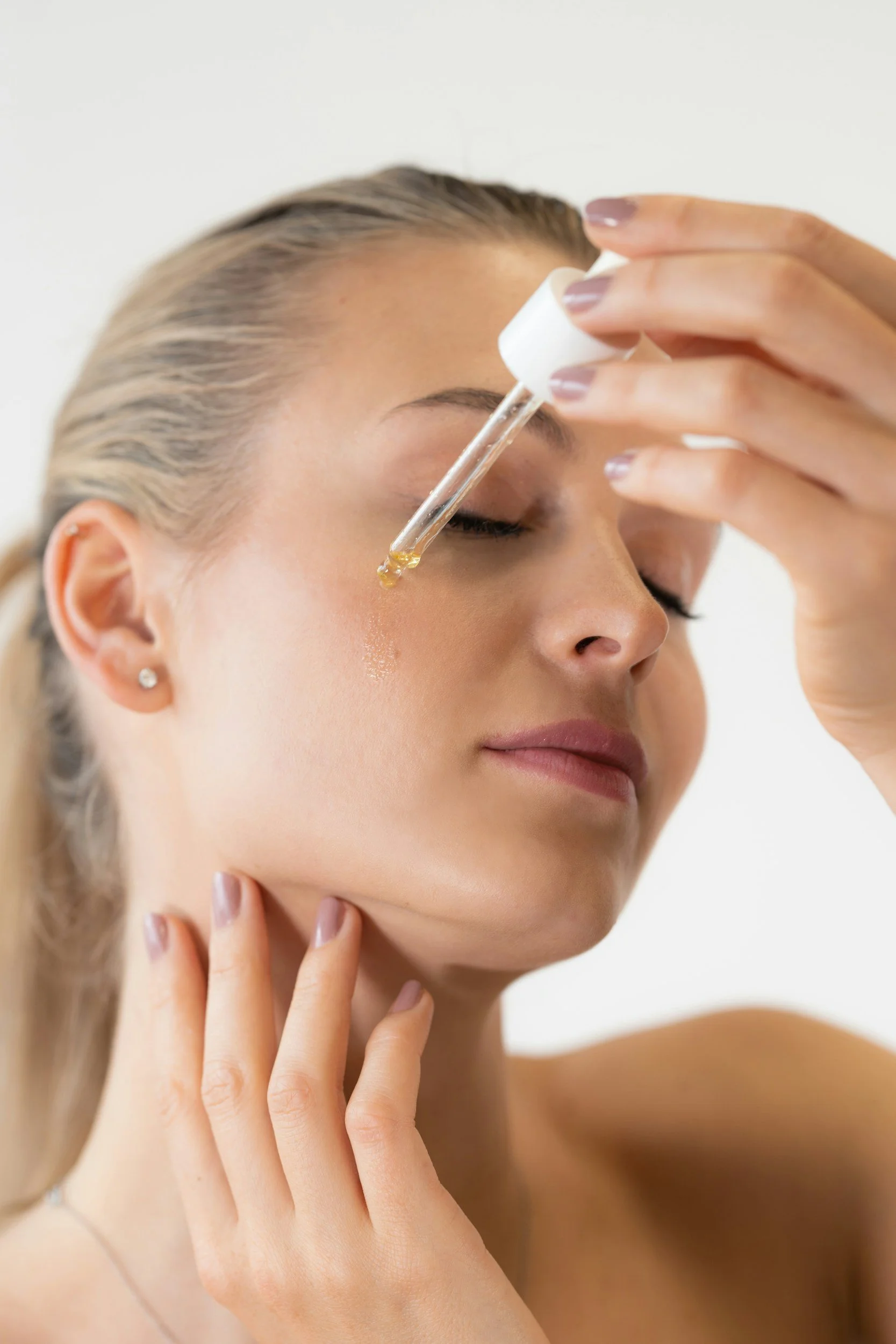
Exosomes Are the New It Ingredient. But Do They Actually Work?
The regenerative-skincare ingredient has gone from dermatology research and post-procedure clinics to luxury vanities and TikTok beauty routines. Here’s why exosome serums are suddenly everywhere, what the science actually says, and which products are making the biggest promises. If your skincare routine has recently started sounding more like a biotechnology lab than a beauty counter, you are not alone.
First came peptides. Then PDRN and polynucleotides. Now, another decidedly scientific-sounding ingredient is having its breakout moment: exosomes.
In 2026, exosomes have become one of the beauty industry's most talked-about ingredients, appearing in everything from professional post-laser treatments to prestige serums designed for the bathroom shelf. Vogue named exosomes one of the defining skincare trends of the year, describing them as part of a larger shift toward regenerative beauty, cellular health and skin longevity.
And consumers are searching for them.
According to search-interest data tracked by Glimpse, searches for "exosome serum" increased 557% year over year, reaching approximately 18,000 searches per month. That does not mean everyone suddenly understands what an exosome is. Quite the opposite. The intrigue may be partly fueled by the mystery of an ingredient that sounds simultaneously futuristic, medical and just a little bit too good to be true.
So what exactly are women putting on their faces?
Meet the Tiny Messengers Behind the Hype
Exosomes are microscopic extracellular vesicles released by cells. Think of them as biological delivery vehicles or cellular messengers: they can carry proteins, lipids and genetic material between cells, influencing how cells communicate and respond to their environment.
In dermatology research, that communication is what makes exosomes interesting. Scientists are investigating their potential role in inflammation, wound healing, collagen and extracellular-matrix remodeling, pigmentation and the biology of skin aging.
That sounds impressive, but there is an important distinction between what exosomes can potentially do biologically and what an exosome serum sitting on your bathroom counter has actually been proven to do. And that distinction is at the heart of the current beauty boom.
From Regenerative Medicine to the Beauty Shelf
Exosomes did not originate as a beauty-industry buzzword. They have been studied for years in regenerative medicine and cell biology. Their potential ability to influence cellular signaling has made them particularly interesting to researchers investigating tissue repair.
The beauty industry has essentially taken that scientific concept and asked: What if we put those cellular messengers into skincare?
The result is a rapidly expanding category that ranges from highly specialized platelet-derived formulas to more accessible plant-derived products. Some products use human platelet-derived material. Others use extracellular vesicles derived from plants or microorganisms. Still others combine exosome technology with ingredients such as peptides, PDRN, hyaluronic acid, antioxidants or growth-factor-inspired ingredients.
That means "exosome serum" is not necessarily describing one standardized type of product.
In fact, a 2026 scoping review published in the Aesthetic Surgery Journal found substantial variation among commercially available topical exosome products, including differences in their sources and how much information manufacturers provide about isolation, processing and shelf life. Of 2,394 articles initially screened, only 18 studies evaluated topical exosomes for skin rejuvenation, with just eight involving topical application alone. The researchers concluded that human evidence remains limited and that the category needs greater standardization and stronger clinical trials.
That is a very different picture from the one suggested by some beauty advertisements.
The Claims Are Getting Bigger
Walk through the current exosome-skincare landscape and the language becomes increasingly ambitious.
(plated) Skin Science, one of the most prominent names in the category, uses platelet-derived exosomes and its proprietary Renewosome technology. Its INTENSE Serum is marketed as its most concentrated formula, with the company saying it contains more than one trillion platelet-derived exosomes and is clinically proven to improve the appearance of wrinkles, dark spots, uneven tone and luminosity. The brand says visible results generally begin appearing within about six weeks.
The company is not simply relying on a futuristic-sounding ingredient story. A 2022 prospective, single-arm study of its platelet-derived topical serum reported statistically significant improvements in measures including redness, wrinkles, melanin production, luminosity and color evenness after six weeks.
There is also newer research from the Mayo Clinic group behind platelet-derived exosome technology. In a 2024 exploratory prospective trial, topical human platelet extract used twice daily for 12 weeks reduced certain markers associated with cellular senescence and telomere damage in participants with higher baseline senescence markers. The study also observed changes in pathways related to extracellular-matrix remodeling.
Those findings are intriguing. They are also not the same thing as proving that every exosome serum will erase wrinkles, reverse aging or "regenerate" skin.
You Don't Have to Spend Hundreds
The category has also begun moving beyond medical-aesthetic luxury pricing.
The INKEY List, for example, sells its Exosome Hydro-Glow Complex for $24 and uses plant-derived exosomes sourced from Centella asiatica. The brand describes it as a six-in-one rejuvenating serum and says its four-week clinical study showed improvements in radiance, hydration, tone, firmness, elasticity and texture. It also cites laboratory testing involving inflammatory and skin-renewal markers.
That distinction matters.
The INKEY List's product is not claiming to contain human platelet-derived exosomes. Its formulation is based on plant-derived extracellular vesicles and combines them with other familiar skincare ingredients, including hyaluronic acid, ectoin, Q10 and a tripeptide. In other words, the exosome may be one piece of the formula rather than the entire story.
Exosomes Meet PDRN
Another sign of where beauty is heading is the growing marriage between exosomes and other regenerative-skincare ingredients.
Medik8 has entered the conversation with Exo-PDRN Prismatic+, which combines a triple exosome complex with the brand's vegan "Prismatic PDRN."
The company says the serum contains up to 151 billion exosomes per bottle and reports improvements in skin barrier function, tone, luminosity and volume after seven days, with improvements in wrinkles and firmness after 14 days in an independent eight-week clinical study involving 60 volunteers.
The product illustrates another reason exosomes are becoming so fashionable: they fit perfectly into beauty's current obsession with regenerative aesthetics. Rather than promising to dramatically alter the face overnight, the new generation of products often positions itself around supporting the skin's own repair, resilience and renewal processes. That is a compelling story, particularly for consumers who want a more subtle alternative to aggressive procedures.
And Then There Are Fruit Exosomes
The trend is not limited to high-tech medical aesthetics.
Naturopathica now has a Gotu Kola + Fruit Exosome collection featuring a rejuvenating essence and gel moisturizer. The brand describes its fruit-derived exosomes as supporting skin-cell communication while helping create a smoother, firmer and more hydrated-looking complexion. Its four-week independent study of the essence and moisturizer involved 31 participants.
Exosomes once sounded like something reserved for a physician's office. Now, consumers can encounter versions derived from plants and fruits alongside ingredients they already recognize from mainstream skincare.
But Does an Exosome Serum Actually Work?
The research is promising, but early.
A 2026 systematic review of human studies found encouraging short-term improvements associated with exosome-based skin-rejuvenation treatments, including hydration, elasticity, wrinkles, pores, pigmentation and overall appearance. But most of the 19 studies included were not randomized, and the researchers emphasized substantial differences among studies and a lack of long-term follow-up.
Another 2026 scoping review identified 17 human studies of exosome-based dermatologic therapies conducted between 2020 and 2025. Seventy-six percent reported improvements in outcomes such as wrinkles, pigmentation, elasticity, hydration or scars, but the authors also noted that clinical safety and efficacy remain incompletely defined.
The most important takeaway is not that exosomes are ineffective. It is that the science has not caught up with the marketing yet.
There is legitimate biological rationale behind the ingredient. There are encouraging clinical findings. But there is not yet the kind of large, standardized, long-term evidence that exists for established skincare heavyweights such as retinoids. And because different brands can use different sources, extraction processes and formulations, one exosome product cannot automatically stand in for another.
The FDA Caveat Everyone Should Know
There is another issue that deserves particular attention.
The FDA states that there are currently no FDA-approved exosome products in the United States. The agency has specifically warned consumers about unapproved exosome products marketed for medical treatment and has received reports of serious adverse events associated with certain unapproved products.
That warning is particularly relevant to injectable or medical exosome treatments, and it should not be interpreted to mean that every cosmetic serum containing an exosome-related ingredient is inherently dangerous.
Cosmetics occupy a different regulatory category from drugs, and the FDA does not preapprove ordinary cosmetic products in the way it approves drugs. Still, the terminology can become confusing quickly.
"FDA-approved," "FDA-cleared," "clinically tested," "dermatologist recommended" and "developed by physicians" do not mean the same thing. A consumer should be especially skeptical when a product makes medical claims such as treating a disease, reversing a medical condition or regenerating tissue while implying that it has received FDA approval.
So, Should You Try One?
Maybe. But think of an exosome serum as an emerging skincare technology, not a miracle in a bottle.
The most interesting products are the ones that can answer basic questions: Where are the extracellular vesicles sourced? How are they processed? Is the finished formulation stable? Is there human clinical research on the actual product, rather than only laboratory research on exosomes generally? How many people participated in the study? Was there a control group? How long were they followed?
Those questions may sound less glamorous than "cellular renewal," but they are considerably more useful.
It is also worth remembering that the strongest evidence for many exosome applications remains associated with professional procedures and specialized delivery systems rather than simply applying a serum to intact skin. Researchers continue to investigate how extracellular vesicles penetrate the skin, remain stable and deliver their biological cargo effectively.
And there is no reason to abandon the skincare basics while waiting for regenerative beauty to mature.
Daily sunscreen still matters. Retinoids remain among the best-studied topical ingredients for photoaging. Hydration and barrier support are foundational. And if a serum containing exosomes happens to complement that routine, it can be viewed as an interesting addition rather than a replacement for proven fundamentals.
The Bigger Beauty Trend
Perhaps the most fascinating part of the exosome boom is not the individual serum. It is what the trend tells us about where beauty is going. Consumers are increasingly interested in skin longevity rather than simply anti-aging. The goal is shifting from covering wrinkles to influencing the biological processes associated with how skin behaves over time.
That explains why terms such as exosomes, PDRN, peptides, growth factors, biostimulators and cellular health have moved from scientific papers and aesthetic clinics into everyday beauty conversations. The promise is seductive: Instead of fighting aging from the outside, perhaps we can persuade the skin to behave younger from within.
We are not there yet.
But with searches for "exosome serum" up more than fivefold in a year and major beauty houses embracing the technology, it is clear that exosomes have graduated from niche dermatology conversation to mainstream beauty phenomenon. The next chapter will be less about whether exosomes sound revolutionary and more about answering the question consumers really care about:
Which ones actually work? That answer, for now, is still being written.
***
Yvon Lux is the editor of her Apple News channel covering lifestyle news and current events. When she’s not busy writing about impactful brands and standout products, she and her husband can be found snuggling with their emotionally needy, perpetually sleepy golden retriever, or she’s chipping away at her Juris Doctor. Connect with her on Instagram and subscribe to her Apple News channel.