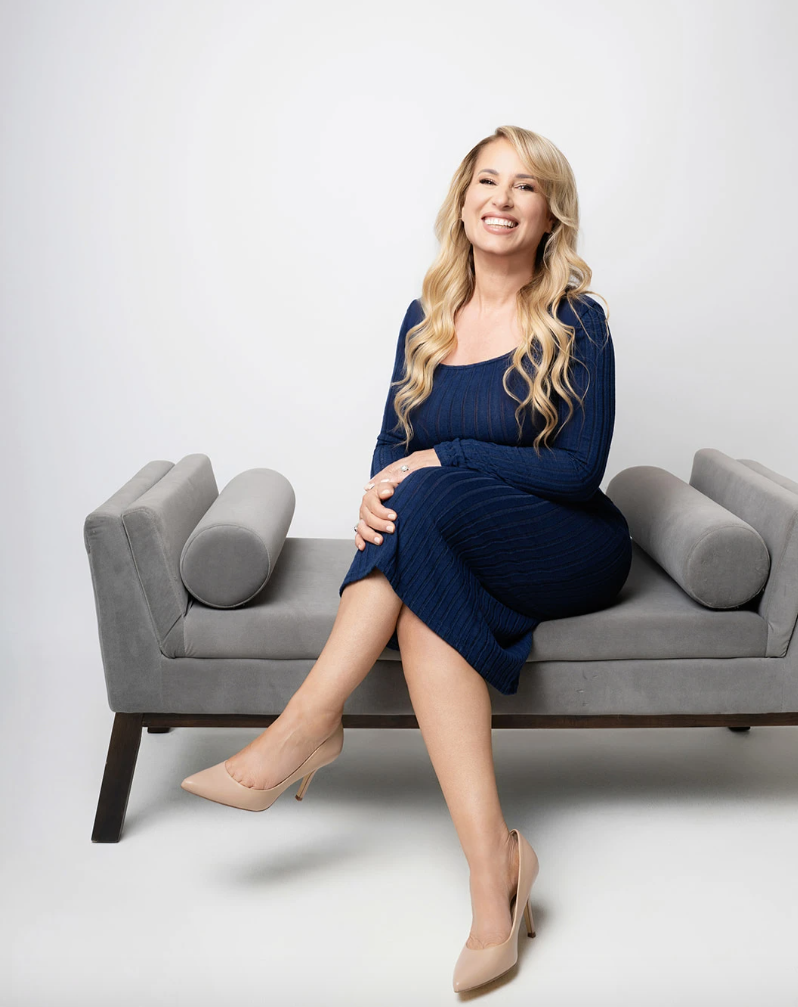
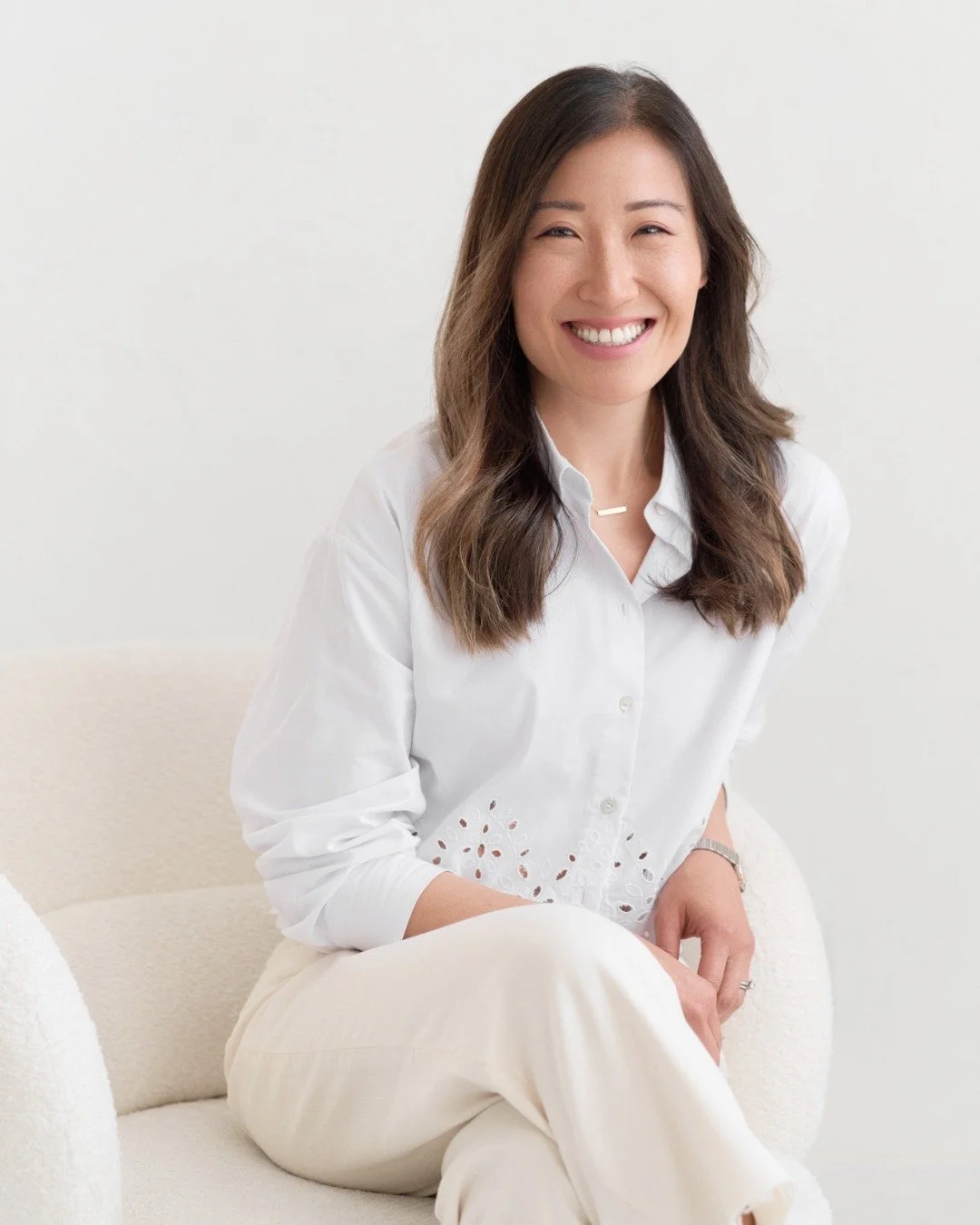
More Than Meets the Eye: Kathy Tran on Building a Brand That Sees Women Differently
For KayTran Eyewear founder Kathy Tran, the journey into entrepreneurship began with a personal frustration: finding stylish glasses that fit comfortably. What started as a search for eyewear that accommodated her own facial features became a mission to challenge the industry's traditional approach to fit and design. Founded in 2012, KayTran was built on the belief that women should never have to compromise between fashion and comfort.
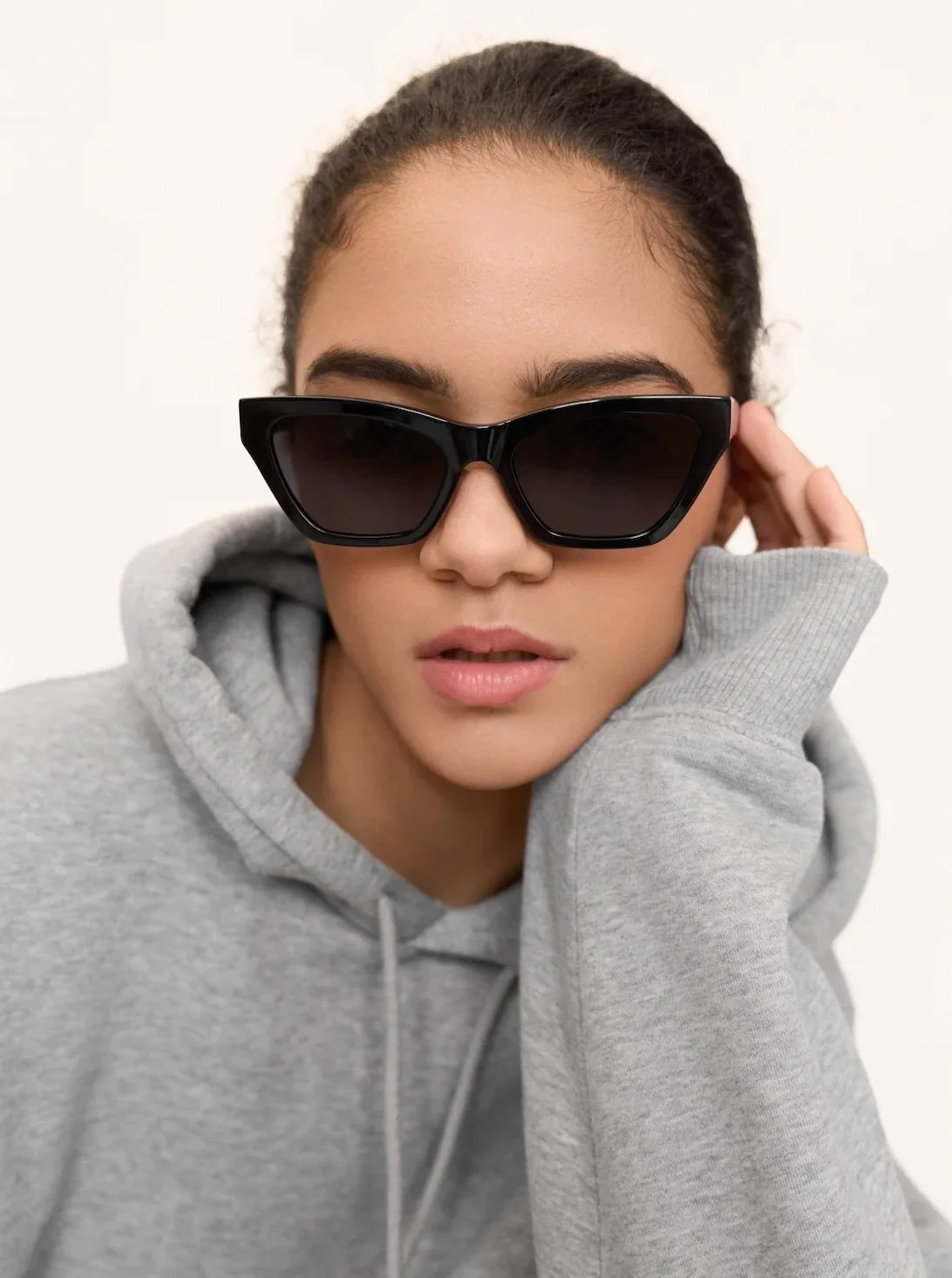
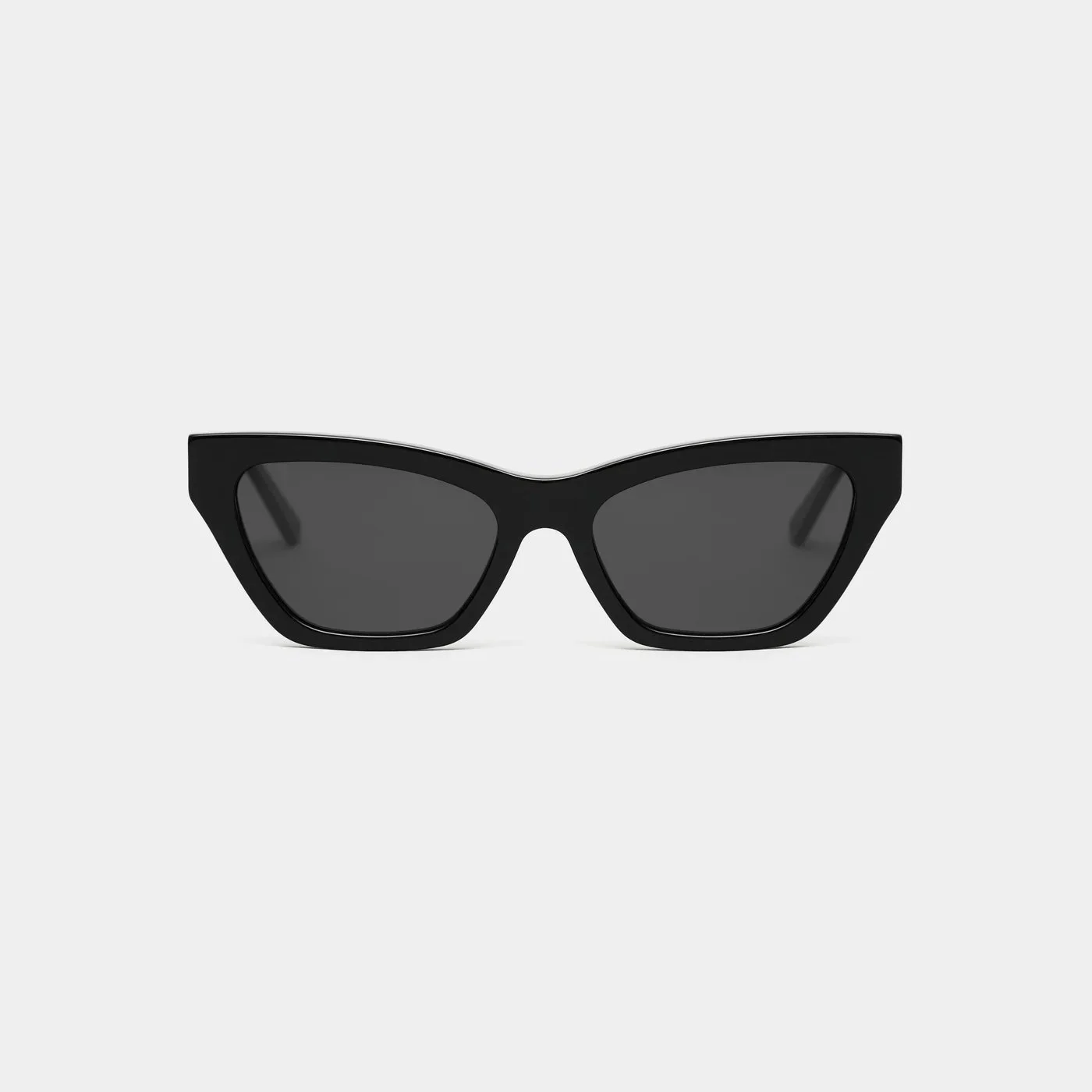
Today, the brand is redefining the eyewear experience through its signature low-bridge fit, thoughtfully considered silhouettes and timeless designs. Yet, as Tran discovered through meeting customers at the brand’s pop-up events, the impact of a well-fitting pair of glasses extends far beyond comfort. For many women, it is about finally feeling seen, confident and free to embrace their personal style without compromise.
Drawing inspiration from architecture, vintage eyewear and the Toronto neighborhoods that shaped her childhood, Tran brings a deeply personal perspective to her collections. From the sentimental story behind the Kensington oval frames, inspired by her late grandmother, to the challenges of navigating entrepreneurship while raising two children, her journey is one of purpose, perseverance and thoughtful design.
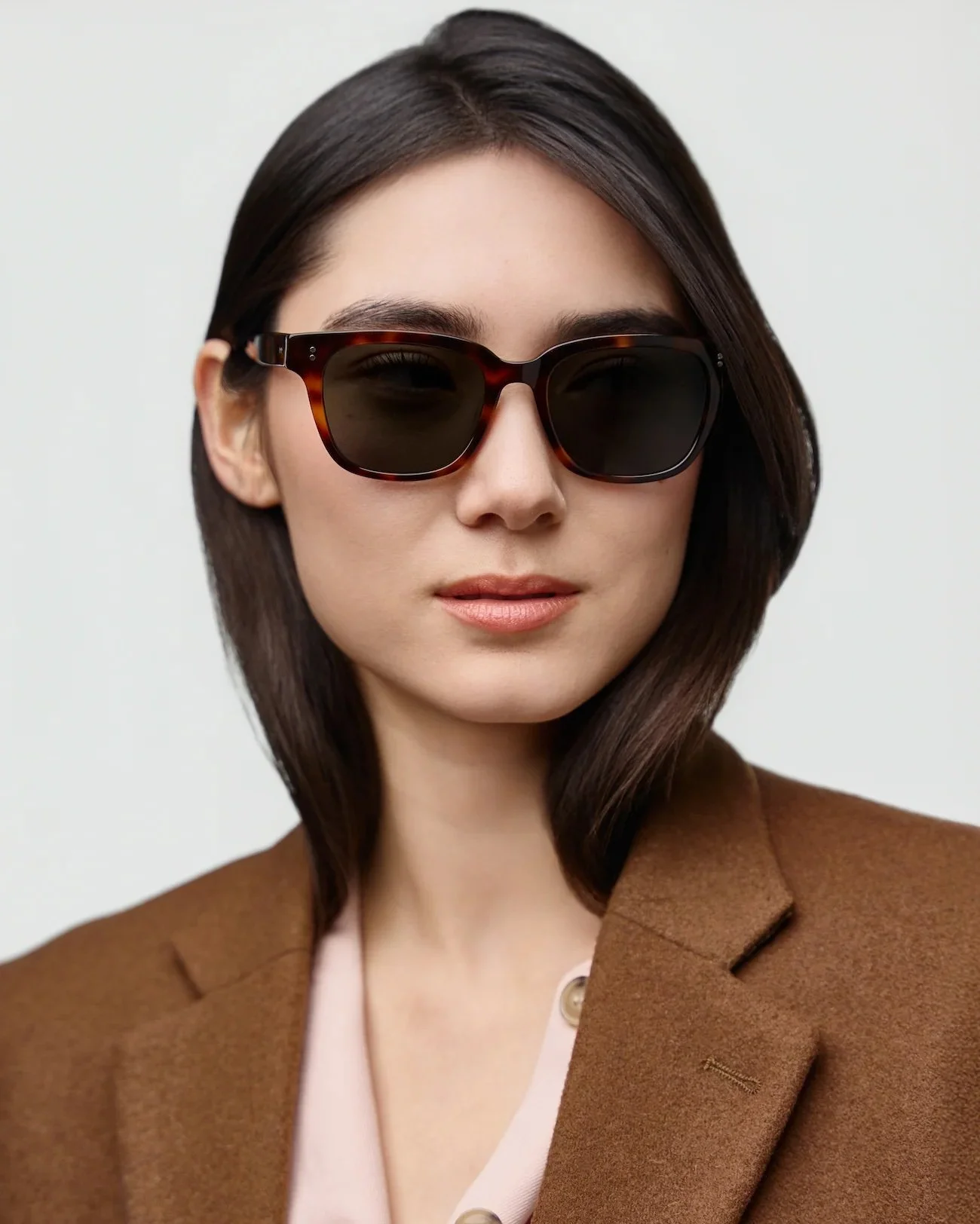
Was there a particular moment when you realized KayTran was resonating with women who had spent years thinking their faces weren’t suited to certain styles of eyewear?
I think what really resonated with me was realizing how many women had accepted uncomfortable glasses as something they just had to live with. They thought glasses sliding down their nose or resting on their cheeks was normal, or that certain styles simply weren't made for their face.
When I started KayTran, I knew there was a fit problem, and I knew I internalized many of those feelings of feeling something about me was off. I don’t think I fully understood how common that feeling was until we started doing pop-up events in 2025 and I started meeting many of our customers when I realized just how much it affected the way women felt about themselves and their options. When customers tell us they've finally found glasses that fit properly and are in total disbelief, that's incredibly meaningful to me. It reinforces why we started the brand in the first place.
KayTran combines technical fit considerations with timeless, fashion-forward designs. How do you approach the balance between function and aesthetics when designing a new frame?
For me, I treat both ends as equally important and neither can be an afterthought. I don't want to create a frame that fits beautifully but doesn't make someone feel good wearing it. And vice versa, I don't want to create something that's visually beautiful but uncomfortable or impractical.
I always start with a silhouette and shape we want to build on as the foundation, whether it’s D-shaped, rectangular , geometric, soft to pair well with different face shapes. When the overall style elements are sketched, we interweave all our signature low bridge fit dimensions, including the narrowed bridge width, elevated nose pads, and tweaks to the arms angles and frame curvatures. These are always drawn into our technical production drawings and refined individually style to style to deliver the perfect balance between the style and fit.
Our goal is for someone to fall in love with the frame because it looks great on them, and then realize how comfortable it is. I want the technical side of what we do to be almost invisible to the customer so that they never have to compromise on style to get a good fit.
Where do you find inspiration for your collections? Are you influenced more by fashion, architecture, travel, vintage eyewear, art or something else?
I find most of our inspiration from memories, architecture and vintage eyewear. Our Metals collection, for example, was inspired by Toronto neighborhoods like the Annex and Kensington Market, where old and new coexist. There's something beautiful about the mix of historic redbrick architecture, independent shops and eclecticism that molded itself so perfectly to the, vintage gold and silver shapes of our metals collection.
I also pay attention to fashion, but I'm not interested in chasing every trend. I'm more interested in taking something familiar and interpreting it in a way that feels fresh, relevant and contemporary, but most of all, wearable for the everyday woman.
Your current collection includes everything from classic tortoiseshell silhouettes to lightweight metal frames. How has your personal design aesthetic evolved since you launched the company?
I think our aesthetic has become more refined, timeless and minimal. When you're building a brand, you're constantly learning what resonates with your customer, but you're also learning to trust your own point of view. Over time, I've become more interested in the details that make a frame feel special without being overly complicated. So I like to play with reinterpreting a particular silhouette, a subtle proportion change, a lightweight construction, a metal decor detail, or a hue of acetate marbling that feels familiar but interesting.
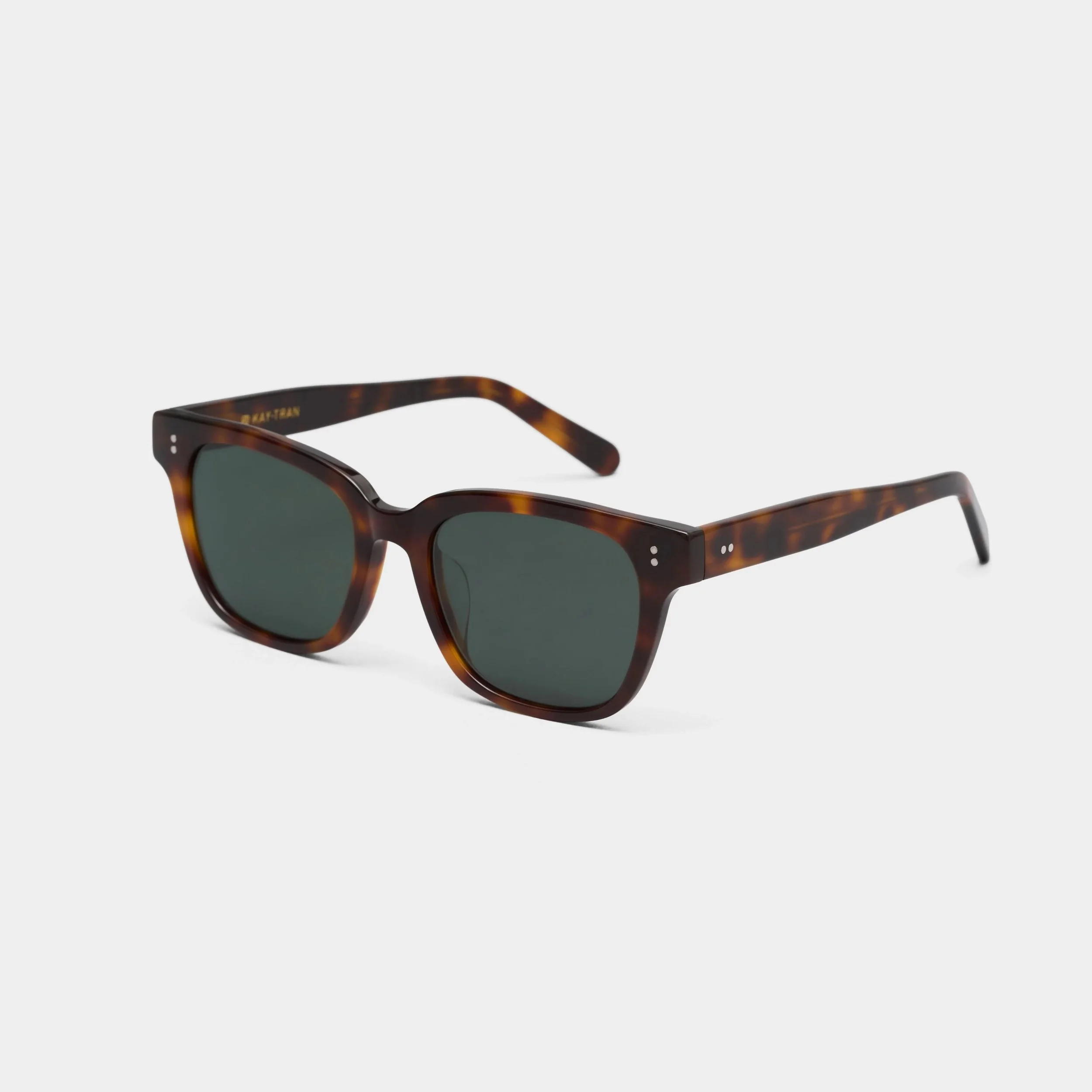
What makes a pair of sunglasses or optical frames feel timeless to you rather than simply trendy?
To me, timelessness comes down to longevity, versatility and how effortlessly it pairs with multiple wardrobe styles and personalities. A truly great frame doesn't latch on to a current trend to make it relevant and interesting to wear. It is its shape, foundational colour and details that feels right season after season, occasion to occasion.
I also think great construction and comfort plays a role in longevity. If a frame fits well, feels good and works with different parts of your life, you're more likely to reach for it for years, and the quality of materials will last so you can do that with ease.
Is there a particular KayTran frame that feels especially personal to you, and what makes it meaningful?
Our Kensington oval frames from the Metals collection feel especially personal to me. As mentioned earlier, the metals collection draws inspiration from Toronto neighborhoods that have a lot of meaning for me because I grew up around the Annex and Kensington.
The character of those areas really influenced my sense of curiosity and exploration as a kid: the old brick homes, tree-lined streets, independent businesses and the mix of people and styles. There's a sense of history, but there's also always something new happening. I wanted the collection to capture that feeling through lightweight metal frames that are understated but still have character.
I used to walk those streets with my grandma who had a larger than life personality for much of my childhood and the Kensington oval frame in particular was the style of glasses she wore for as long as I can remember. When she passed away 2 years ago, I had started working on refiningan oval frame as a tribute to her influence on my life.
What did you learn about entrepreneurship during KayTran's earliest years that you could never have learned in business school?
One of the biggest lessons was learning that having an idea is only a small part of building a successful business. You have to understand your customer, how to find that customer, live with discomfort, make decisions with incomplete information, solve problems constantly and be willing to do things that are outside your comfort zone. I think that level of discomfort is hard to truly understand until you run your own business and feel the roller-coaster ride of building it.
I've also learned that you can't wait until you feel completely ready. Sometimes you have to make the best decision you can with what you know at the time (the classic 80-20 rule), learn from the outcome and keep moving. I’ve learned that trying to avoid failure can be crippling in your decision making, and the best thing to do is to make a decision as informed as you can be, learn from the mistake and pivot quickly if you need to.
What has been the most difficult business decision you've had to make as a founder?
When you're building a brand, it's tempting to say yes to every opportunity, invest in every idea and keep pushing for growth. But not every opportunity is the right one, and not every investment will pay off. You have to be honest about where your time, money and energy are best spent where it best aligns with your brand. There are lots of ideas we have around different product lines and usages, but you really need to have a strong level of focus. In my view it’s always better to build something more focused and a segment strongly than to dapple at the surface over everything.
As a founder and a mom of two, I've also had to think carefully about what kind of business I'm building and what I want my life to look like alongside it. There have been periods of intense travel, events and growth that required a lot of personal sacrifice. I've learned that just because you should do something doesn't always mean it’s the best for your overall life.
Were there moments when you questioned whether there was a large enough market for what you were creating?
Absolutely. Whenever you're building a brand around a specific ‘niche’ need, you have to ask yourself whether that need is widespread enough to support a business. The eyewear industry is enormous, but it is mostly controlled by 3-5 extremely large corporations that own the rights to most brands we know. So it has traditionally been built around fairly generic assumptions about fit. We were focusing on people who weren't being adequately served by those assumptions, and in the beginning, you have to trust that the problem you're seeing is bigger than your own personal experience of yourself and those closest to you.
What gave me confidence was hearing from customers and seeing how strongly people responded when they realized there were options designed with their fit needs in mind across a whole diverse range of ethnicities.
Do you think the fashion industry is genuinely becoming more inclusive, or are there still significant gaps between representation in marketing and representation in product design?
I think the industry has made progress, especially in how it represents different people in campaigns and advertising and also in how products are designed. You are starting to see more body types, backgrounds, heights, ethnicities in campaigns for some brands, and you are starting to see more intentional product design elements like curvier fits, petite fits etc.
Although progress has been made, I do feel that there is still a significant gap that exists on those that lead the industry. Many of the brands who are delivering more inclusive options are smaller and more independent. To shape the narrative on a broader scale, I think more could be done on both fronts from larger global brands.
Where would you like to see KayTran five years from now?
I’d first and foremost would love to see KayTran develop into the first brand you think of when you’re looking for a universal or low bridge fit. I'd also love to continue growing our retail partnerships, expanding our presence across Canada and the U.S. with some larger lifestyle retailers so that we can provide our options to our customers at as many convenient spots as possible.
If you could go back and speak to yourself in 2012, just as you were beginning KayTran, what would you tell her?
I'd tell her to trust herself a little more and stop feeling like she needs to have everything figured out before she starts. I tell her to be more resilient and feel less disappointment when wins don’t come right away because the businesses that last long-term are those where progress is made steadily over time.
I'd also tell her that building a business will take longer, be harder and teach her more about herself than she can imagine. There will be moments when the plan changes, when things don't work and when she has to figure out the next step without knowing exactly where it's going to lead.
Lastly, I'd tell her to be present for the life she's building outside the business, too. It’s hard to anticipate how different life stages will impact you until you actually go through them. Ambition is a wonderful thing, but you don't want to get so caught up in building something for the future that you miss the people and moments happening right in front of you.
What are you most proud of creating that has nothing to do with sales or business growth?
I'm most proud of creating something that has made people feel seen. I once received a letter in our customer inbox from a customer who told her story that was very similar to mine. An Asian kid who needed glasses and just could never find anything that fit and felt great. She told me how our frames had played a part in changing her confidence in herself. I still remember reading it and being struck by how intimately we could have connected and impacted someone.
I feel proud that KayTran has possibly contributed to a broader shift in how people think about eyewear; That fit should be considered from the beginning, that more people deserve access to great design, and that no one should have to feel like their face is the problem.
***
Yvon Lux is the editor of her Apple News channel covering lifestyle news and current events. When she’s not busy writing about impactful brands and standout products, she and her husband can be found snuggling with their emotionally needy, perpetually sleepy golden retriever, or she’s chipping away at her Juris Doctor. Connect with her on Instagram and subscribe to her Apple News channel.